Connections Between Licensing Authorities and Game Development Studios Regarding Compliance Standards for Multiplayer Tournament Structures
 Licensing authorities across multiple jurisdictions maintain direct lines of communication with game development studios to establish and enforce compliance standards that govern multiplayer tournament structures, and these interactions shape everything from player eligibility verification to prize distribution mechanisms. Studios submit detailed technical specifications for review while authorities evaluate how matchmaking algorithms, anti-cheat systems, and real-time monitoring tools align with regulatory requirements for fairness and transparency.
Regulatory Frameworks Guiding Tournament Design
Authorities in regions such as North America and Europe require studios to document every aspect of tournament infrastructure before approval, which includes server architecture that prevents latency-based advantages and data logging protocols that allow post-event audits. The Alcohol and Gaming Commission of Ontario has outlined specific criteria for online competition platforms since early 2025, and those guidelines emphasize verifiable random selection processes alongside secure participant authentication that studios must integrate into their codebases.
Game developers often form dedicated compliance teams that collaborate with regulators during the certification phase, and this partnership helps identify potential vulnerabilities in bracket generation or scoring systems before tournaments launch publicly. Research from academic institutions tracking digital competition ecosystems shows that early-stage consultations reduce the frequency of post-launch adjustments by significant margins.
Technical Compliance Requirements for Multiplayer Events
Studios must demonstrate that their tournament software maintains consistent performance across different player populations, which means implementing load-balancing measures and failover systems that keep competitions running without interruption. Licensing bodies examine these technical elements through simulated stress tests and require evidence that no single point of failure can compromise match integrity.
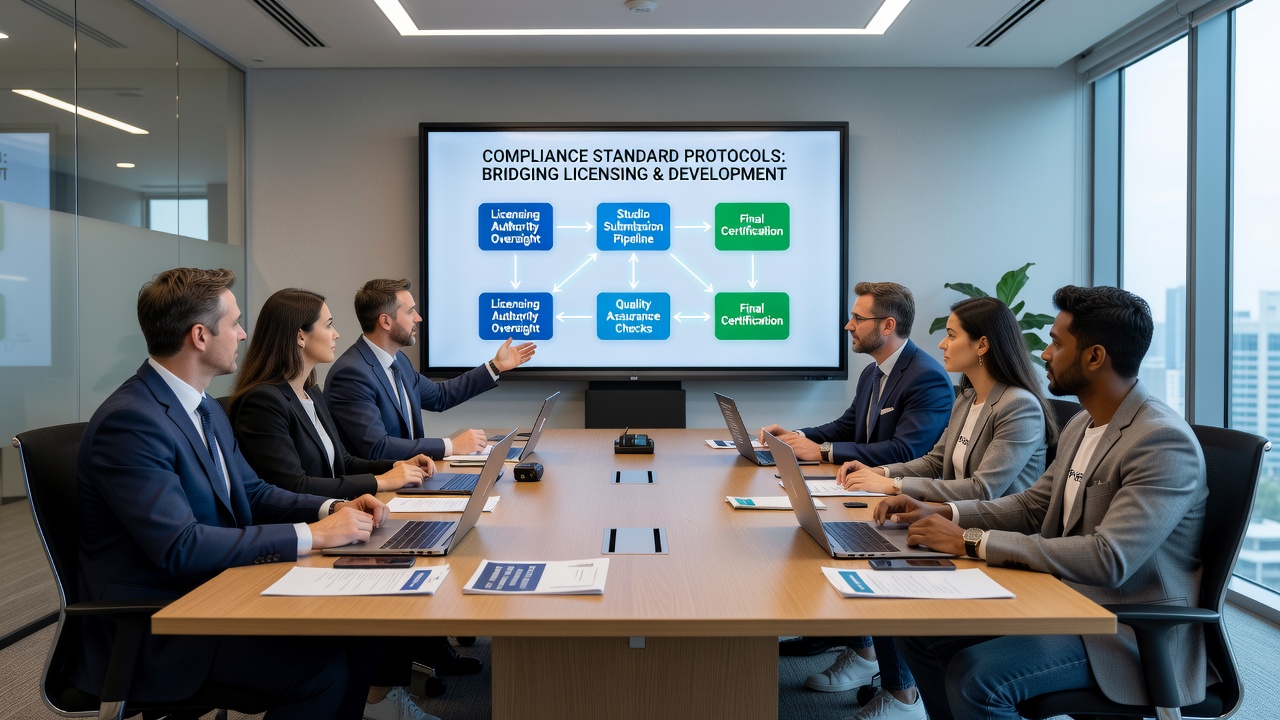
Data encryption standards apply to all communications between players and central servers during live events, while audit trails capture every action taken within the game environment for later review. Observers note that studios which embed compliance checkpoints directly into their development pipelines encounter fewer delays when submitting materials for final approval.
Coordination Processes Between Studios and Authorities
Regular meetings between licensing officials and studio representatives occur throughout the development cycle, and these sessions focus on aligning software features with evolving regulatory expectations around player protection and competitive equity. In July 2026 several North American jurisdictions introduced updated reporting templates that studios now use to detail how tournament software handles edge cases such as disconnects or suspected manipulation attempts.
Industry organizations like the European Gaming and Betting Association facilitate knowledge sharing between regulators and developers, which helps standardize certain compliance practices across borders while still allowing flexibility for region-specific rules. Studios that participate in these collaborative forums gain clearer insight into upcoming changes and can adjust their internal testing procedures accordingly.
Case Examples of Compliance Implementation
One major studio recently adjusted its tournament qualification system after regulators flagged inconsistencies in how regional servers assigned seeding positions, and the resulting modifications improved both fairness metrics and approval timelines. Another developer integrated automated reporting tools that stream anonymized match data directly to oversight bodies, reducing the manual review burden on licensing staff.
These adaptations illustrate how feedback loops between authorities and studios drive incremental improvements in tournament infrastructure without disrupting ongoing operations. Figures from regulatory filings indicate that projects incorporating iterative compliance reviews reach certification stages faster than those following linear development paths.
Conclusion
Ongoing dialogue between licensing authorities and game development studios continues to refine the technical and procedural standards that underpin multiplayer tournament structures, and this relationship ensures competitions operate within established legal and operational boundaries. As new technologies emerge, both sides maintain channels for addressing compliance challenges while supporting innovation in competitive gaming formats.