Decoding Synchronization Between Supplier Verification Protocols and Protected Incentive Processing Timelines Within App-Based Elite Gaming Structures
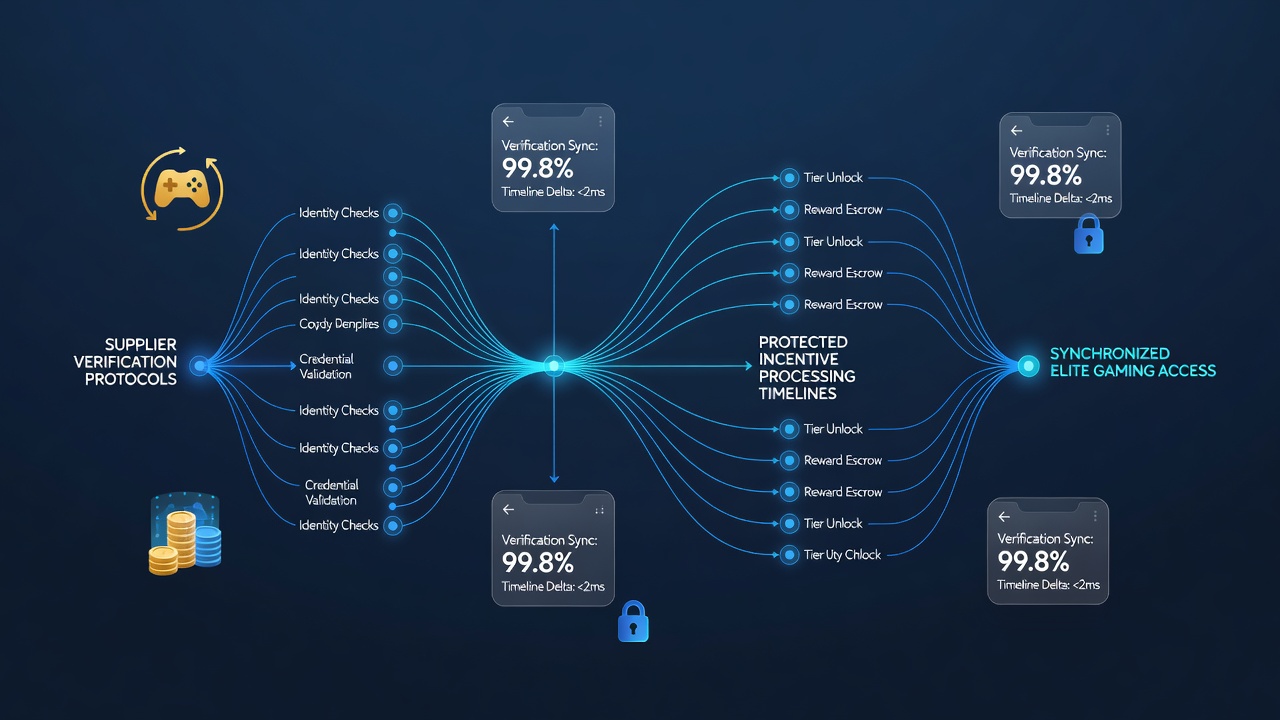
App-based elite gaming platforms rely on precise coordination between supplier verification protocols and the timelines governing protected incentive processing, where each element ensures secure delivery of rewards to VIP members through encrypted mobile channels. Researchers have documented how these systems operate in tandem, with verification steps confirming supplier credentials before incentives reach designated accounts within specified windows. Data from industry reports indicates that mismatches in these timelines can delay reward distributions by several hours, prompting operators to refine their synchronization methods across multiple device ecosystems.
Core Elements of Supplier Verification in Mobile Environments
Supplier verification protocols encompass multi-layered checks that confirm the identity, compliance status, and technical capabilities of game providers before integration into app-based platforms. These protocols include digital certificate validation, audit trail reviews, and real-time compliance scans that run continuously during operational periods. Observers note that such processes often align with broader security frameworks established by regional authorities, creating a foundation where only verified suppliers contribute to incentive pools. In July 2026, updates from several oversight bodies highlighted increased emphasis on automated verification tools that reduce manual intervention while maintaining accuracy across global supplier networks.
Protected incentive processing timelines operate on fixed schedules that prioritize speed and security for elite members, typically completing within 24 to 72 hours after qualifying activity. These timelines incorporate buffer periods for final verification cross-checks, ensuring that rewards processed through mobile apps meet encryption standards before release. Experts have observed that synchronization occurs when verification completion timestamps directly feed into timeline trackers, allowing systems to flag any delays before they affect user accounts. Take one platform developer who integrated these checks into a unified dashboard, resulting in measurable reductions in processing exceptions across thousands of daily transactions.
Mechanisms Driving Synchronization Across Networks
Synchronization mechanisms link supplier verification outputs to incentive processing queues through application programming interfaces that transmit status updates in real time. These interfaces carry encrypted payloads containing verification results, which then trigger or pause timeline events depending on approval status. Research indicates that platforms employing such linkages achieve higher consistency in reward delivery, particularly when handling high-volume VIP activity on mobile devices. What's interesting is how these connections also incorporate fallback protocols that reroute processing through alternative verified suppliers if primary channels encounter interruptions.
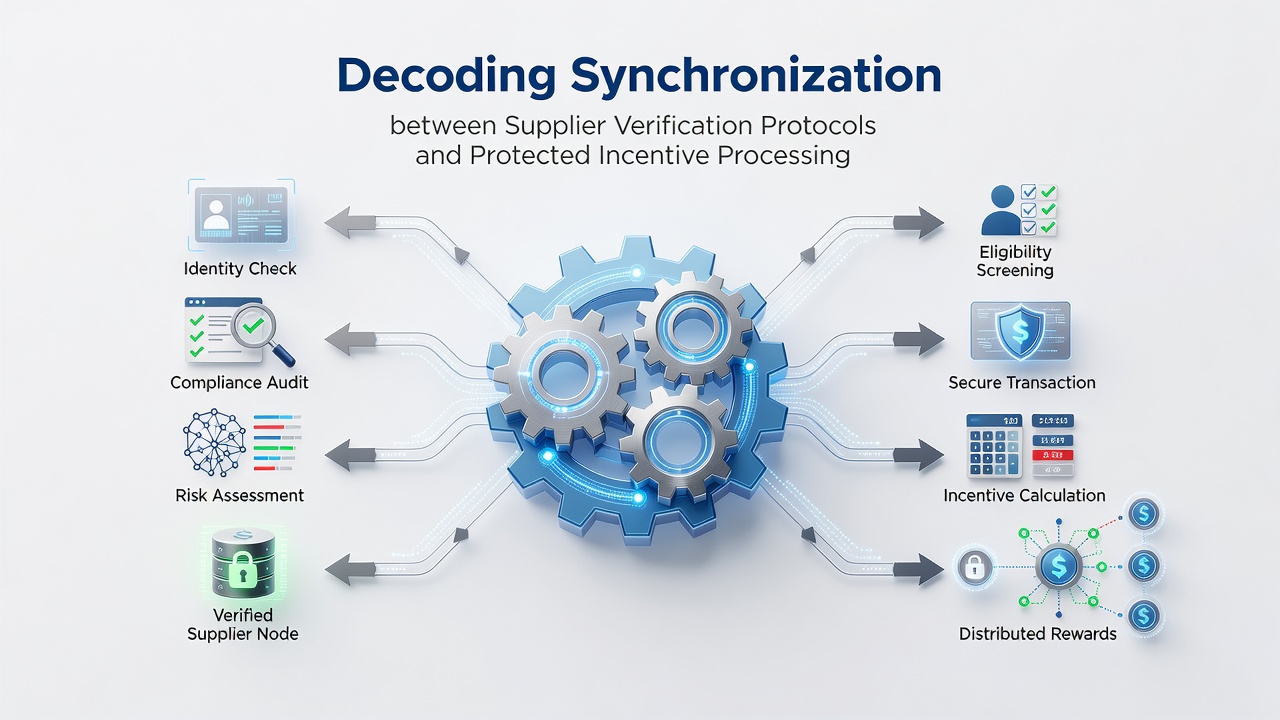
Encryption layers protect the data flows between verification systems and processing timelines, using protocols that meet or exceed standards set by international gaming associations. According to the American Gaming Association, these measures contribute to overall transaction reliability by preventing unauthorized access during the critical window between verification and reward disbursement. Platforms often conduct periodic audits to confirm that synchronization points remain intact, with findings feeding into iterative improvements for subsequent software releases. Those who've examined multiple app architectures report that integration of these elements tends to scale more effectively when suppliers adopt standardized reporting formats.
Regional Regulatory Influences on Timeline Alignment
Regulatory frameworks across different jurisdictions shape how operators align verification protocols with incentive timelines, with each region imposing distinct reporting and audit requirements. European authorities, for instance, emphasize documentation trails that link supplier approvals directly to reward processing records, while certain Asian markets focus on real-time monitoring capabilities within mobile environments. The Malta Gaming Authority publishes periodic compliance summaries that detail how these alignments support secure operations for app-based gaming structures serving international VIP audiences. Figures reveal that operators who adapt their systems to multiple regional standards experience fewer timeline disruptions during cross-border transactions.
Case examples demonstrate how platforms adjust synchronization after regulatory reviews, such as implementing additional verification checkpoints when processing high-value incentives. These adjustments maintain compliance without extending overall timelines beyond established parameters. People who've studied these adaptations note the use of modular software components that allow quick updates to verification modules while preserving the integrity of incentive processing schedules.
Conclusion
Effective synchronization between supplier verification protocols and protected incentive processing timelines remains essential for maintaining operational integrity within app-based elite gaming structures. Continued refinement of these connections, supported by regulatory guidance and technical advancements, helps ensure that rewards reach verified recipients through secure mobile pathways. As platforms evolve, the alignment of these systems continues to adapt to emerging standards and regional requirements.