Digital Currency Pathways Linking Software Developers to Real-Time Table Interactions on Handheld Platforms
Jakob Weber · Sep 3, 2026

Digital Currency Pathways Linking Software Developers to Real-Time Table Interactions on Handheld Platforms
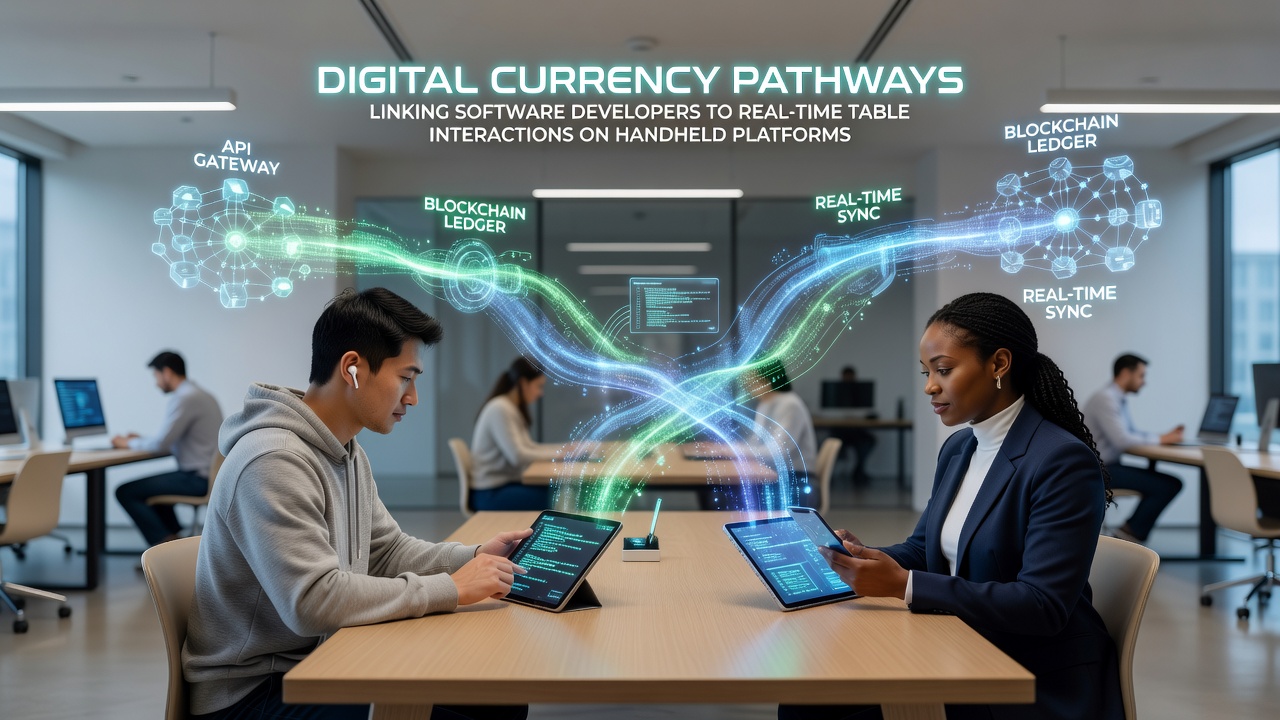
Digital currency systems now connect software developers directly with real-time table interactions across handheld platforms through integrated blockchain protocols and mobile application frameworks. Developers build pathways that allow instant data synchronization between digital wallets and interactive table environments on smartphones and tablets, using secure transaction layers that process inputs in milliseconds.
Core Technical Pathways in Mobile Development
Software teams construct these pathways by embedding cryptocurrency APIs into handheld applications, enabling direct links between user accounts and dynamic table structures that update live on portable devices. Research from the Bank for International Settlements indicates that such integrations rely on distributed ledger technology to maintain consistency across multiple simultaneous sessions, while developers utilize smart contract scripts to automate response times between wallet confirmations and table state changes.
Handheld platforms receive these updates through optimized mobile networks that prioritize low-latency connections, allowing table interactions to reflect funding movements without intermediate servers in many cases. Data shows that frameworks like those developed for Android and iOS environments incorporate cryptographic hashing to secure each exchange, ensuring that real-time table elements remain synchronized with currency balances held in digital form.
Developer Tools and Integration Standards
Developers employ standardized libraries for digital currency operations that interface with table management modules on handheld systems, creating seamless flows where wallet transactions trigger immediate updates to interactive displays. According to findings from the Australian Securities and Investments Commission, these tools standardize communication protocols that support both public and private ledger networks, reducing delays in how table data responds to currency inputs from mobile users.
Programming environments now include built-in modules for handling variable transaction speeds, letting developers test pathways that connect funding channels to live table operations under diverse network conditions. Observers note that such standards emerged from collaborative efforts among technology firms and financial regulators across regions, producing code structures that support encrypted verification at each step of the interaction sequence.
Security Mechanisms and Data Flow on Portable Devices
Security protocols within these pathways encrypt both currency transfers and table state information during transmission between handheld devices and backend networks. Studies conducted by the National Institute of Standards and Technology highlight how multi-signature requirements and zero-knowledge proofs allow developers to verify interactions without exposing full transaction details, maintaining privacy while supporting rapid table updates on mobile screens.
Real-time table interactions on handheld platforms depend on continuous validation loops that check wallet status against current table conditions, with developers programming fallback mechanisms for network interruptions. Figures from the European Central Bank reveal that adoption of these secure flows increased notably in mobile environments by mid-2026, as teams refined algorithms to handle concurrent users accessing shared table resources through digital currency channels.
Platform-Specific Adaptations and Performance Metrics
Developers adapt digital currency pathways differently across iOS and Android handheld systems, incorporating platform-native encryption features that enhance real-time table responsiveness. Performance data collected by academic researchers at the University of Toronto demonstrates that optimized code reduces processing overhead, allowing table interactions to register currency changes within sub-second intervals even during peak usage periods.
Handheld applications integrate these pathways through background services that monitor ledger updates and push notifications directly to active table interfaces, minimizing user intervention. Those who have examined mobile deployment logs report that such adaptations maintain consistency across device models by leveraging cross-platform development kits designed specifically for digital asset management.
Regulatory Influences on Development Practices
Regulatory frameworks in multiple jurisdictions shape how developers implement digital currency links to real-time table interactions, requiring compliance checks within the mobile application code itself. Reports issued by the Monetary Authority of Singapore outline guidelines that influence secure coding practices, ensuring that handheld platforms handle currency-table exchanges under established oversight without compromising speed.
Developers incorporate these requirements by building modular components that can be updated as rules evolve, preserving the core pathways that connect funding mechanisms to live table operations on portable devices. Evidence from industry analyses shows continued refinement of these practices through 2026, with teams focusing on interoperability between different digital currency types and various handheld operating systems.
Conclusion
Digital currency pathways continue to evolve as software developers refine connections between wallet systems and real-time table interactions on handheld platforms through technical standards and security enhancements. These developments rest on established protocols that support rapid, encrypted exchanges across mobile networks, drawing from data provided by international financial bodies and research institutions. Future iterations will likely build on current frameworks to expand compatibility and performance in portable environments.