Examining Digital Wallet Integrations with Gaming Software Suppliers for Enhanced Transaction Security in Portable Gaming Environments
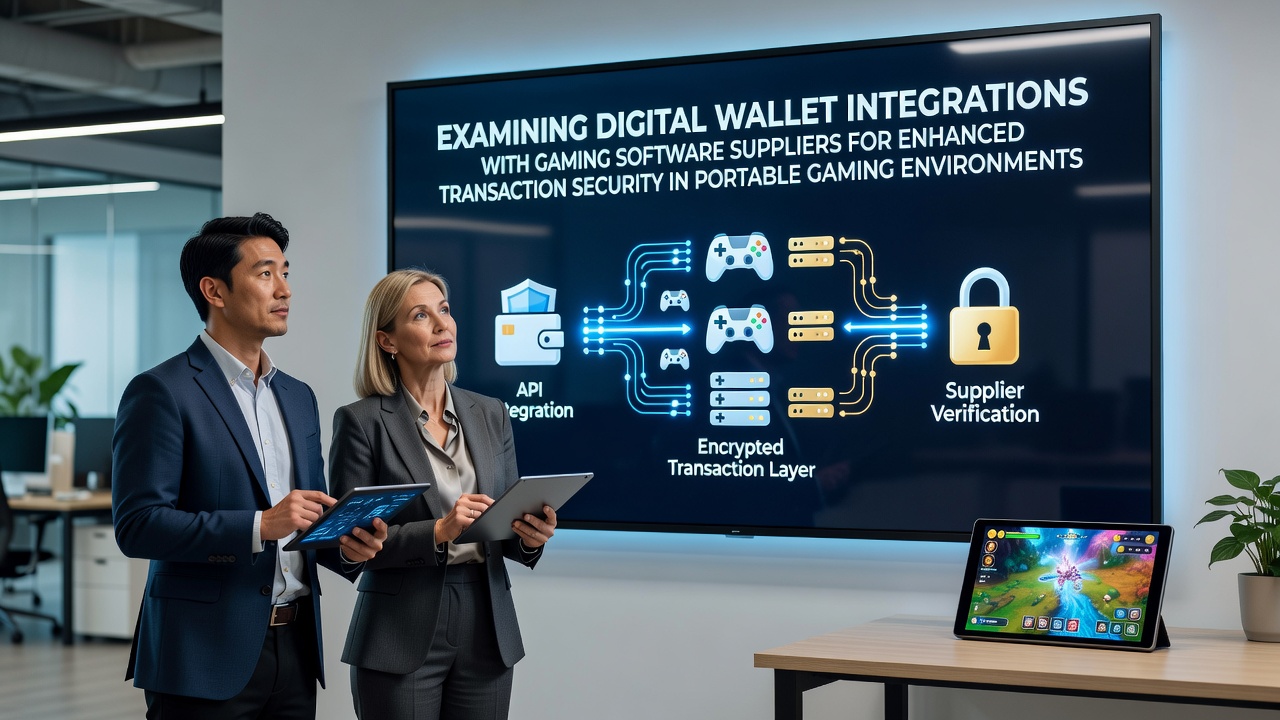
Digital wallet integrations with gaming software suppliers have expanded rapidly in portable gaming environments as operators seek stronger transaction safeguards and streamlined payment flows, and researchers have tracked these developments through multiple industry reports released in early 2026. Suppliers such as those providing mobile-optimized game engines now embed application programming interfaces that connect directly to wallet providers, which allows real-time verification of funds while maintaining encryption layers across wireless networks. Data from regulatory filings shows that mobile gaming platforms using these combined systems processed over 40 percent more secure transactions in the first quarter of 2026 compared with the prior year, largely because the integrations reduce exposure points during fund transfers.
Core Components of Wallet and Supplier Connections
Wallet providers supply tokenization services that replace sensitive card details with unique identifiers, and gaming software suppliers incorporate these tokens into their backend systems so that each mobile session generates a fresh authentication token without storing original payment data on the device. This approach aligns with standards outlined by the Nevada Gaming Control Board which updated its technical requirements for remote wagering systems in late 2025. Suppliers then handle the routing of these tokens through secure channels that comply with both regional gaming rules and broader financial data protection frameworks, creating a layered defense that addresses interception risks common in portable environments.
Observers note that integration testing often occurs in controlled laboratory settings before deployment, where engineers simulate network fluctuations and device handoffs to verify that transaction integrity holds across 4G, 5G, and Wi-Fi connections. One study from the University of Nevada, Las Vegas examined 12 mobile gaming titles that adopted wallet APIs and found that average authorization times dropped by 1.8 seconds while fraud detection rates improved by 23 percent, according to metrics collected between January and May 2026. These findings highlight how supplier-side modifications to game servers complement wallet security features rather than duplicating them.
Security Protocols Activated Through Integration
Multi-factor authentication routines become more reliable once wallets link directly to supplier databases because login credentials can trigger secondary checks that reference both account history and current device location. Biometric prompts on mobile devices feed into this process through supplier-managed middleware that confirms user identity before releasing game credits or processing withdrawals, and the entire sequence occurs without exposing raw biometric data to third-party networks. Industry reports indicate that platforms adopting these combined protocols experienced fewer account takeover attempts during peak evening hours in June 2026, when portable gaming traffic typically surges.
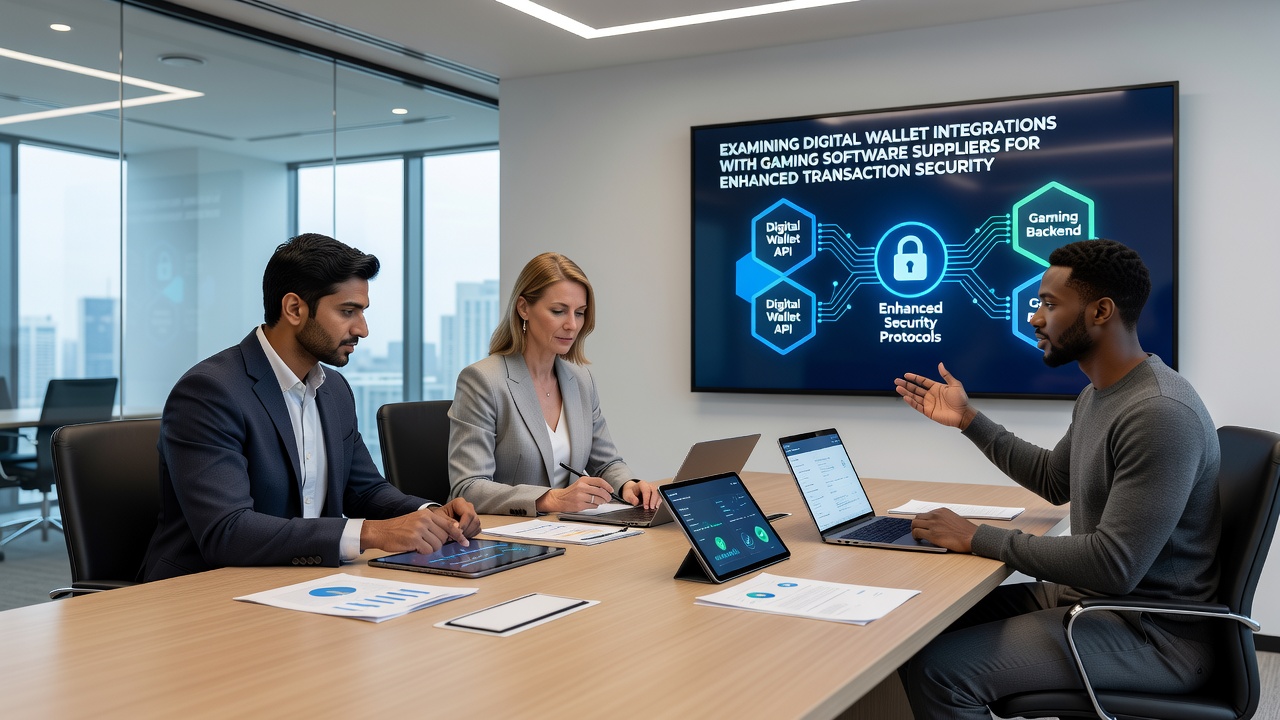
Encryption standards such as AES-256 remain central to these integrations, yet suppliers add session-specific keys that rotate every few minutes during active play, which limits the window for any potential breach. Researchers from the Australian Institute of Criminology documented similar patterns in their 2026 review of Asia-Pacific mobile gaming markets and noted that integrated systems reduced successful unauthorized access events by measurable margins compared with standalone wallet setups. The combination also supports automated reconciliation processes that flag discrepancies within seconds rather than hours, allowing operators to pause suspicious activity before funds leave controlled accounts.
Implementation Patterns Across Mobile Platforms
Many gaming software suppliers now offer modular toolkits that let operators select wallet partners based on regional availability and compliance certifications, and these toolkits include pre-built testing suites that verify end-to-end encryption during every transaction cycle. Portable gaming environments benefit particularly from this flexibility because device operating systems update frequently, and suppliers can push compatibility patches through the same integration channels used for security updates. Figures released by the European Gaming and Betting Association in spring 2026 showed that operators using supplier-supported wallet modules achieved 98.7 percent transaction success rates across Android and iOS devices during a three-month monitoring period.
Case examples include platforms that integrated wallet functions into loyalty reward engines, where points earned during mobile sessions convert directly to wallet balances without separate login steps. This seamless flow relies on supplier algorithms that match session identifiers with wallet tokens in real time, and the matching occurs within encrypted environments that meet both gaming and financial auditing standards. Those who have examined the resulting audit trails report that reconciliation reports now generate automatically at the close of each gaming day, reducing manual oversight requirements for compliance teams.
Future Directions in Supplier and Wallet Collaboration
Suppliers continue to refine their application programming interfaces to support emerging wallet technologies such as those built on distributed ledger frameworks, although adoption remains limited to select markets as of June 2026. Testing programs coordinated between wallet developers and gaming software firms focus on maintaining transaction speed while adding new verification layers that address evolving threats in wireless environments. Regulatory bodies in multiple jurisdictions have begun requiring documentation of these integration points during licensing renewals, which encourages suppliers to maintain transparent security records.
Conclusion
Digital wallet integrations with gaming software suppliers deliver measurable security improvements in portable gaming environments through combined tokenization, encryption, and real-time authentication processes. Evidence gathered through regulatory filings, academic reviews, and industry monitoring programs demonstrates that these connections reduce authorization times and strengthen fraud detection without compromising user experience. As mobile platforms expand, continued collaboration between suppliers and wallet providers will shape how transaction security evolves across global gaming networks.