Mapping Provider Innovations with Digital Payment Rails to Optimize High-Tier Incentive Flows in Portable Live Environments
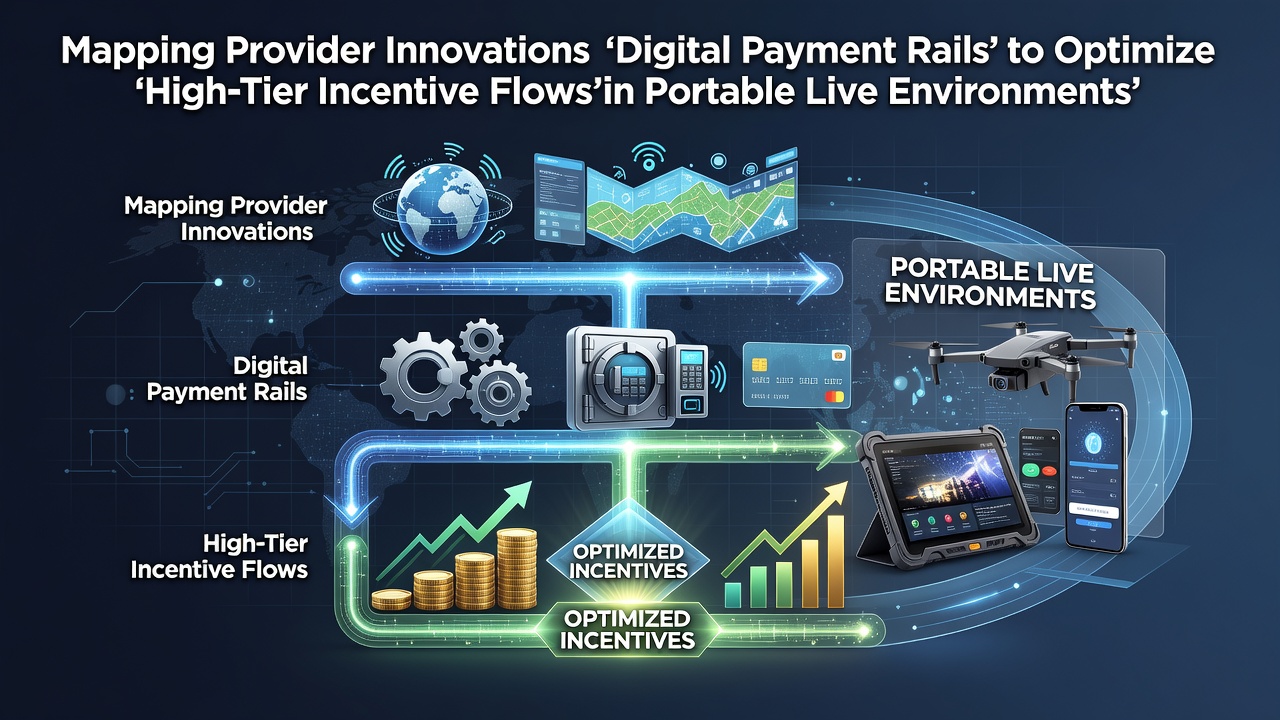
Game providers continue to refine integrations between their platforms and digital payment rails so high-tier incentive flows reach mobile users during live dealer sessions without delays or security gaps, and these mappings rely on API connections that link randomization engines directly to transaction processors while maintaining compliance across jurisdictions.
Core Components of Provider Payment Integration
Developers map out specific pathways where live game servers communicate with banking networks through encrypted channels, allowing VIP reward credits to post in real time as players switch between tables on smartphones, and this process draws on standardized protocols that several major suppliers adopted in early 2026 to handle increased mobile traffic during peak hours. Observers note that the same infrastructure supports both instant bonus unlocks and ongoing loyalty adjustments, which means operators avoid separate batch processing steps that once created bottlenecks in portable environments.
Technical Mapping of Incentive Delivery
Engineers diagram data flows from the moment a high-tier player triggers a live-game milestone until the corresponding incentive appears in their mobile wallet, and these diagrams highlight how providers embed payment rail APIs inside the game client itself rather than routing requests through external servers. Data from industry analyses shows that this embedded approach cuts average delivery times from several minutes down to under thirty seconds on stable connections, while the same mapping accommodates regional variations in banking rules without requiring code changes for each market. Researchers discovered that providers who pre-certify these mappings with multiple payment gateways achieve higher uptime during June 2026 network stress tests, particularly when live dealer feeds and transaction confirmations run simultaneously on the same device.
Additional layers include fallback rails that activate automatically if the primary network experiences latency, ensuring VIP incentives continue uninterrupted even when users move between Wi-Fi and cellular data. Those who've examined the architecture report that such redundancy stems from direct collaboration between game studios and fintech teams, which produces unified logging that regulators can audit in a single stream rather than piecing together multiple sources.
Live Environment Adaptations for Portable Devices
Portable live environments demand that payment rails remain synchronized with video streams and chat functions, so providers adjust packet priorities so incentive notifications do not interrupt dealer interactions or cause frame drops on smaller screens. Studies indicate that suppliers who incorporate edge computing nodes closer to regional mobile carriers reduce round-trip times for high-tier reward confirmations, and these nodes handle encryption handshakes locally before forwarding cleared transactions to central systems. What's interesting is how the same optimizations also support dynamic currency conversions, allowing players in different time zones to receive equivalent incentive values without manual intervention from operators.
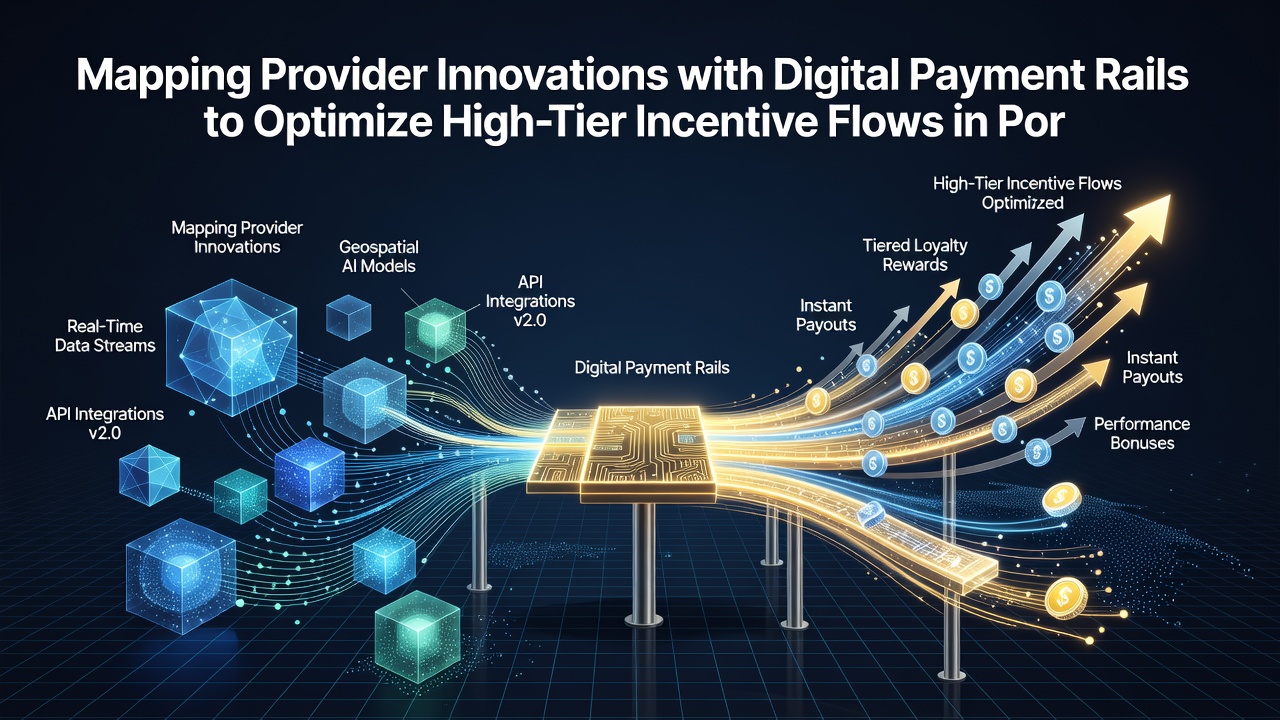
One case where experts tracked these adaptations involved a provider that integrated its live roulette platform with a multi-rail wallet system used across several Asian markets, and the resulting flow allowed tiered cashback to credit instantly after each qualifying spin sequence while the dealer continued calling numbers. Figures from that implementation reveal a measurable drop in support tickets related to missing rewards, which previously accounted for a notable share of mobile VIP inquiries.
Security and Compliance Considerations
Mapping exercises also incorporate compliance checkpoints that verify player eligibility and incentive limits before any funds move through the rails, and these checkpoints rely on shared databases maintained by both providers and licensed operators. According to reports from the American Gaming Association, standardized verification calls between game servers and payment processors now complete within milliseconds, which supports the pace of live mobile play without exposing account details. Yet the same mappings must accommodate varying responsible gaming flags that different jurisdictions apply to high-tier accounts, requiring providers to maintain region-specific rule sets inside their integration layers.
Additional safeguards include tokenization of incentive values so actual account numbers never travel across public networks during live sessions, and this method aligns with requirements outlined by multiple gaming authorities that emphasize end-to-end encryption for all mobile transactions. Observers note that providers who document these mappings in detail find it easier to obtain renewed certifications when regulators update their technical standards, especially as portable live environments expand into new territories during 2026.
Future Mapping Developments
Industry groups continue to explore how emerging payment technologies such as instant settlement networks can further compress the time between live game events and high-tier reward distribution, and early tests show promise for embedding these capabilities directly into existing provider frameworks. Research from the European Gaming and Betting Association indicates that collaborative mapping workshops between suppliers and payment firms accelerate adoption timelines, allowing operators to roll out updated mobile clients with minimal disruption to ongoing live tables. These efforts focus on maintaining audit trails that satisfy both financial and gaming oversight bodies without adding latency visible to players.
Conclusion
Mapping provider innovations with digital payment rails produces measurable gains in how high-tier incentives reach users inside portable live environments, and the documented flows demonstrate consistent improvements in speed, security, and regulatory alignment across multiple markets. Continued refinement of these integrations supports expanding mobile participation while preserving the real-time nature that defines live dealer experiences, and the resulting infrastructure positions the sector to accommodate future payment and connectivity advancements without rebuilding core systems.