RNG Validation Protocols: Connecting Certified Randomization Checks to Priority Perk Releases in Shielded Mobile Betting Systems
Jakob Ludwig · Aug 24, 2026
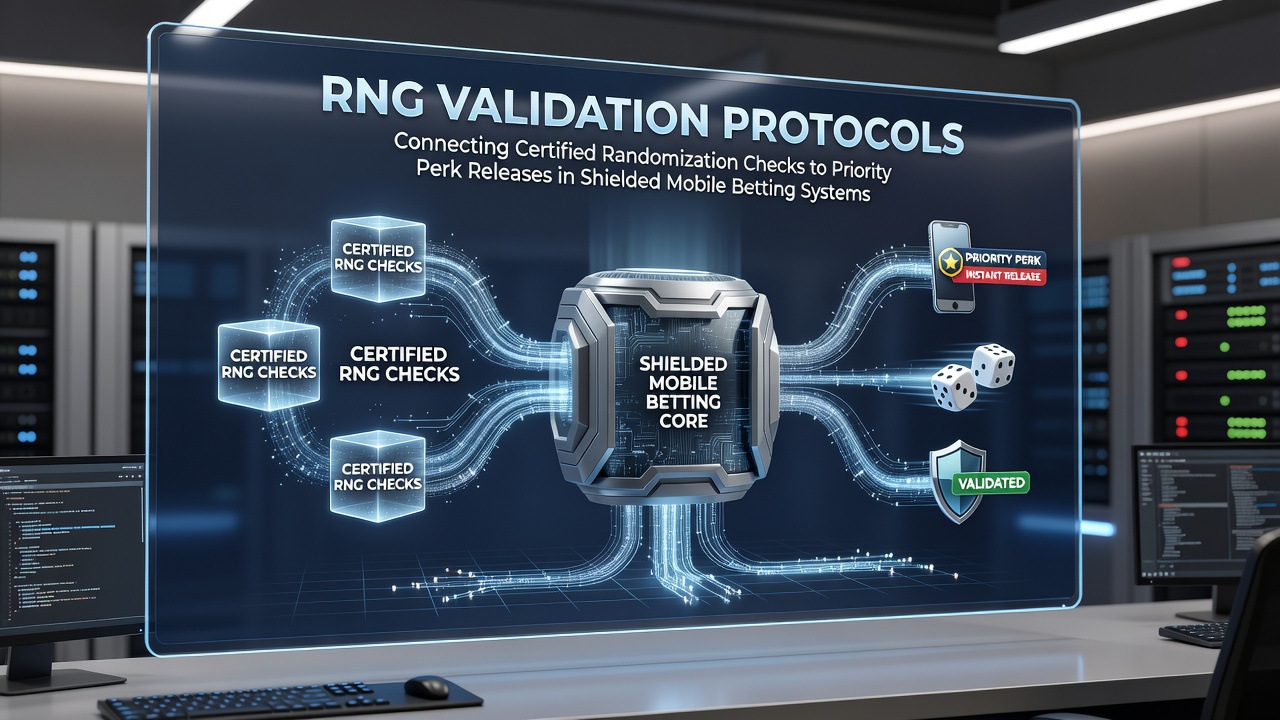
RNG Validation Protocols: Connecting Certified Randomization Checks to Priority Perk Releases in Shielded Mobile Betting Systems
Certified randomization checks form the backbone of shielded mobile betting systems, where RNG validation protocols ensure that every outcome meets regulatory standards before priority perk releases occur. These protocols link directly to reward timing because operators require verified randomness data to trigger tiered bonuses, cashback adjustments, and exclusive access privileges without introducing bias or delay. In August 2026, several platforms updated their certification pipelines to align with new hardware security modules, allowing faster verification cycles while maintaining encryption across all transaction flows.
Core Components of RNG Validation in Mobile Environments
Random number generators undergo continuous testing through statistical suites that examine distribution uniformity, independence of sequences, and resistance to prediction attempts. Certification bodies apply standards that cover both software-based pseudorandom generators and hardware entropy sources, with each module receiving periodic audits that document compliance before any perk release logic activates. Shielded systems add an extra layer by isolating these checks inside secure enclaves, preventing external interference during the validation window.
Operators integrate these validated outputs into loyalty engines so that priority perks such as accelerated withdrawal approvals or personalized game unlocks activate only after the randomization sequence passes all checkpoints. This connection reduces disputes because players receive documented proof that their rewards stem from certified sequences rather than manipulated results. Data from multiple jurisdictions shows that platforms using synchronized validation and reward pipelines report fewer compliance incidents compared with those that separate the processes.
Security Shielding and Its Role in Perk Timing
Shielded mobile betting architectures employ end-to-end encryption combined with real-time attestation protocols that confirm the integrity of RNG outputs before they feed into perk distribution systems. When a randomization check completes successfully, the system generates a cryptographic receipt that unlocks the corresponding reward tier without exposing sensitive player data. This mechanism proves especially relevant for VIP members who expect immediate access to elevated benefits once their activity meets the required thresholds.
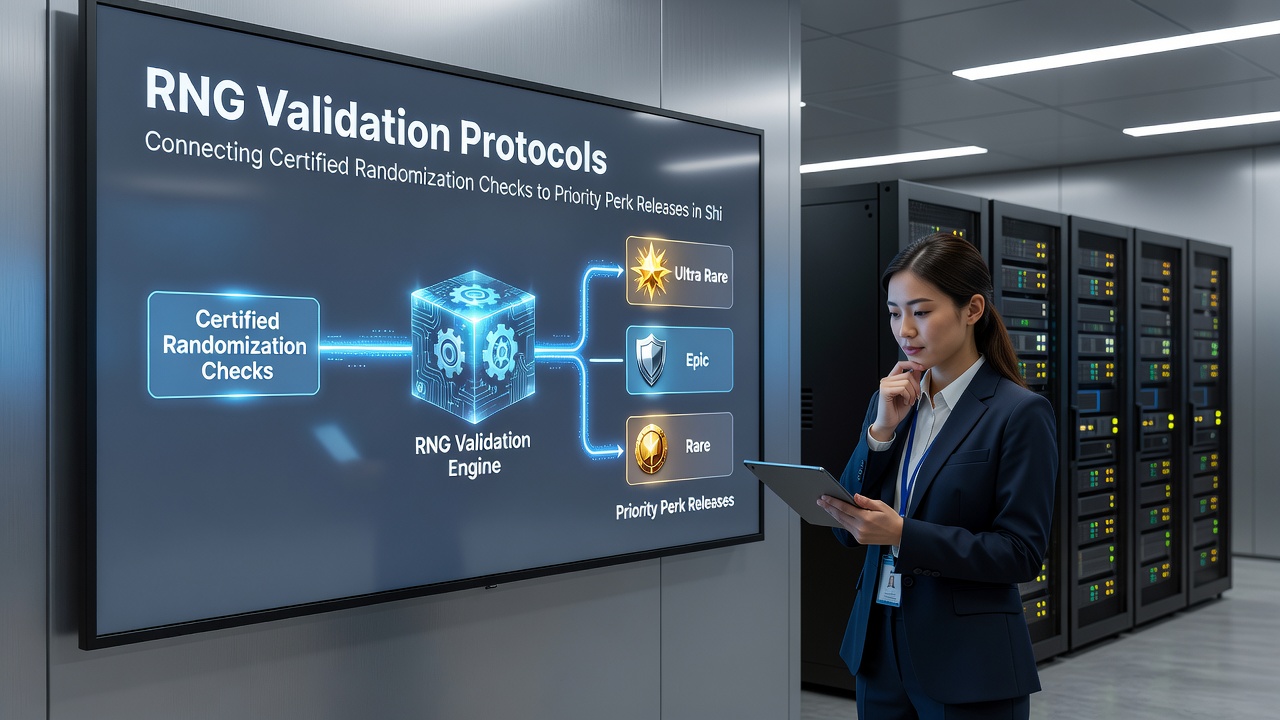
Researchers examining transaction logs across North American and European networks have observed that platforms with integrated shielding experience shorter average reward delivery times, often measured in seconds rather than minutes. The process works because validation and perk logic operate within the same protected environment, eliminating the need for separate data handoffs that can introduce latency. Australian regulatory reports from mid-2026 highlighted similar patterns, noting that operators adopting unified validation-reward frameworks achieved higher audit pass rates during routine inspections.
Regulatory Frameworks Guiding the Connection
Certification benchmarks established by the Malta Gaming Authority require operators to demonstrate that RNG outputs directly influence reward eligibility calculations without intermediate processing that could alter outcomes. Similar requirements appear in guidance from the New Jersey Division of Gaming Enforcement, which emphasizes transparent logging of every validation step leading to priority perk activation. These rules create a traceable chain that regulators can review during compliance examinations, ensuring that perk releases remain fair and verifiable.
Industry organizations such as the European Gaming and Betting Association publish technical papers that outline best practices for linking randomization certification with loyalty system triggers. One study released in 2025 examined data from over 200 mobile platforms and found that systems employing certified RNG checkpoints reduced reward-related complaints by measurable margins. Observers note that the same patterns continue into 2026 as more jurisdictions adopt comparable technical standards.
Practical Implementation Across Platforms
Mobile operators deploy these protocols through application programming interfaces that query the RNG validation service before executing any perk release command. When a player reaches a new loyalty tier, the system requests a fresh randomization certificate, verifies it against the approved standard, and then authorizes the associated benefit. This sequence prevents premature or incorrect reward distribution while preserving the speed expected in modern betting applications.
Take one large European operator that restructured its mobile infrastructure in early 2026: after implementing unified RNG validation and perk logic, the company recorded improved synchronization between game results and reward notifications. Another example comes from a North American platform that partnered with an independent testing laboratory to embed validation directly into its shielded environment, resulting in streamlined audit trails that satisfied both internal and external reviewers.
Conclusion
RNG validation protocols continue to serve as the critical bridge between certified randomization and priority perk releases inside shielded mobile betting systems. The integration ensures that rewards activate only after verified randomness meets established standards, supporting both regulatory compliance and operational efficiency. As platforms refine these connections through updated security modules and cross-jurisdictional standards, the relationship between certification checks and perk timing grows more precise, delivering consistent outcomes for operators and players alike.