Slot Algorithm Standards Shape RNG Operations and VIP Reward Timing Across Secure Networks

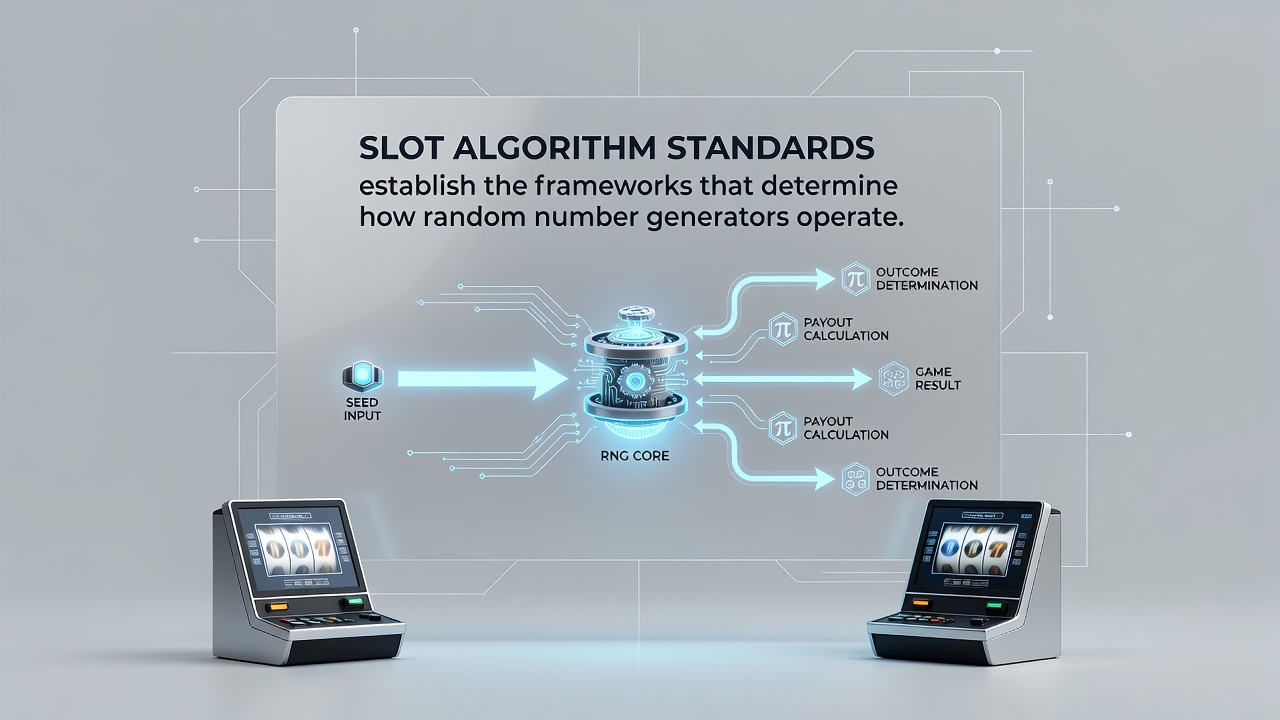
Slot algorithm standards establish the frameworks that determine how random number generators operate in digital slot machines and observers note these protocols directly shape the timing of VIP reward calculations across secure networks. Regulatory bodies in multiple jurisdictions have adopted certification requirements that specify the statistical properties RNGs must meet before operators can deploy games on their platforms. These standards require continuous testing intervals, typically every few months, to confirm that outcomes remain unpredictable while meeting return-to-player percentages set by licensing agreements.
Core Components of RNG Certification Protocols
Certification laboratories evaluate RNG algorithms against criteria that include period length, entropy sources, and resistance to prediction attacks. Standards from organizations such as the Gaming Standards Association and regional authorities like the Nevada Gaming Control Board outline specific test suites that simulate millions of spins to verify uniformity. When these tests pass, the approved RNG seed generation method becomes locked into the game server, which then feeds results to both player interfaces and backend loyalty systems.
Because VIP reward calculations pull data from the same RNG stream used for gameplay, any delay in seed verification or network handshake directly affects how quickly bonus credits or comp points appear in member accounts. Encrypted channels add another processing layer where data packets must be authenticated before reward engines can update balances, and this authentication step occurs within the same secure pipeline that carries game results.
Encryption Integration with Reward Delivery Systems
Secure network protocols require that every RNG output packet carries a timestamp and digital signature before it travels across the operator's internal network. These signatures are checked at multiple nodes, including the game server, the loyalty database, and the payment gateway that handles instant reward redemptions. In June 2026 several major operators completed upgrades that reduced signature verification time by integrating hardware security modules directly into their RNG servers, allowing reward calculations to begin microseconds after the spin result is generated.
Researchers at institutions including the University of Nevada, Reno have documented how slight variations in encryption key rotation schedules can shift reward posting times by several seconds during peak traffic periods. Their findings indicate that operators using automated key management systems experience more consistent delivery speeds for high-value VIP accounts that trigger automated bonus triggers based on play volume.
Impact of Algorithm Updates on VIP Processing Windows
When providers release updated RNG algorithms that meet new certification versions, operators must schedule brief maintenance windows during which game servers switch to the new certified build. During these transitions, VIP reward engines remain paused until the new RNG instance passes its initial integrity check, which typically lasts between ninety seconds and four minutes depending on the volume of active sessions. Data from the Australian Communications and Media Authority shows that scheduled updates completed outside peak hours result in minimal disruption to reward delivery for international VIP members who play across time zones.
Case examples from Canadian provincial operators reveal that staggered rollout strategies, where only a subset of game titles receive the updated algorithm at any one time, keep reward calculation pipelines active for the majority of VIP accounts. This approach prevents the entire loyalty system from waiting on a single RNG instance and maintains continuous point accrual even while individual titles undergo recertification.
Future Developments in Synchronized RNG and Reward Systems
Industry working groups are currently exploring real-time synchronization standards that would allow reward engines to pre-calculate potential bonuses using partially verified RNG outputs, subject to final confirmation once full encryption validation completes. Early pilot programs conducted by European operators under the supervision of the Malta Gaming Authority have demonstrated that such pre-calculation layers can reduce observable reward posting times by up to forty percent without compromising statistical integrity.
These developments continue to evolve as hardware capabilities improve and certification bodies refine their testing requirements for next-generation RNG implementations. The relationship between algorithm standards and VIP reward timing therefore remains an active area of technical coordination between regulators, laboratories, and network security teams.
Conclusion
Slot algorithm standards continue to define both the operational integrity of digital RNGs and the precise timing windows within which VIP reward systems can safely update member balances across encrypted networks. Ongoing refinements in certification processes and encryption integration directly influence how quickly operators can deliver personalized rewards while maintaining compliance across jurisdictions.