Supplier Contributions to Transaction Reliability Within Member Incentive Frameworks
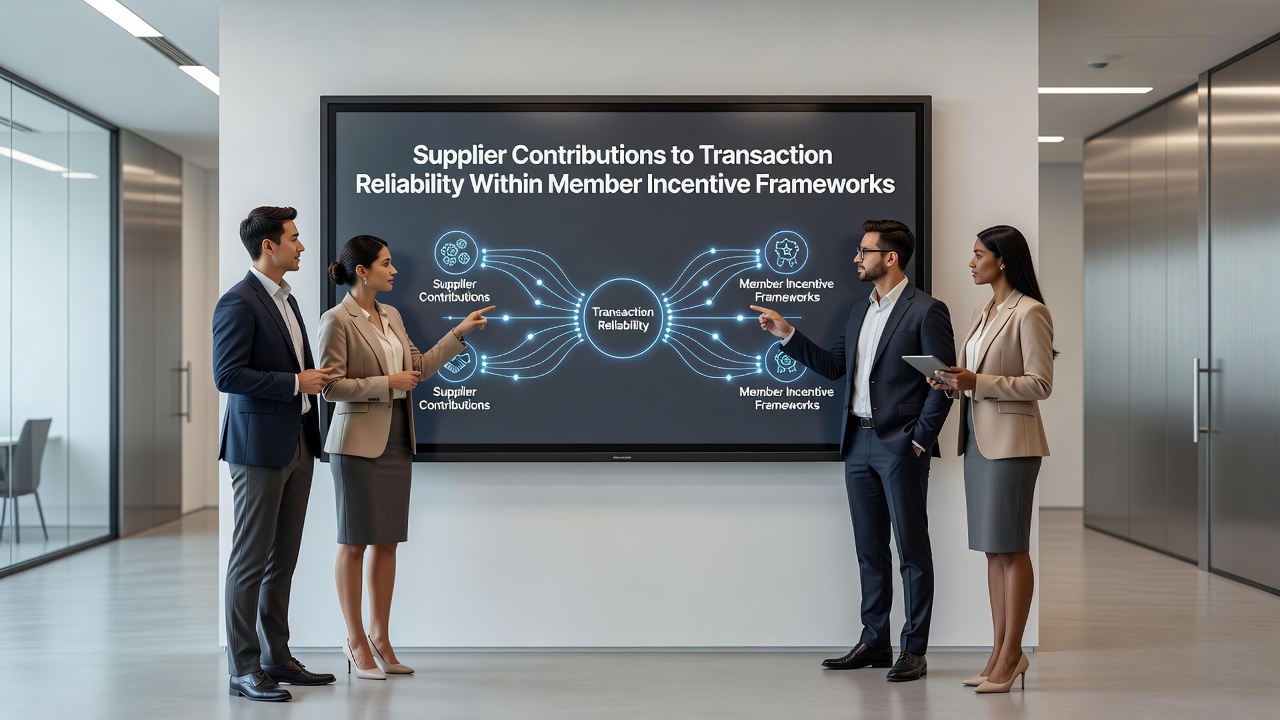
Suppliers in digital gaming platforms provide core infrastructure that underpins transaction reliability inside member incentive frameworks, and their systems handle everything from reward crediting to withdrawal verification while maintaining encrypted channels across multiple jurisdictions. Industry observers note that these contributions became especially visible in June 2026 when several major operators reported improved processing metrics after upgrading supplier partnerships.
Core Infrastructure Elements
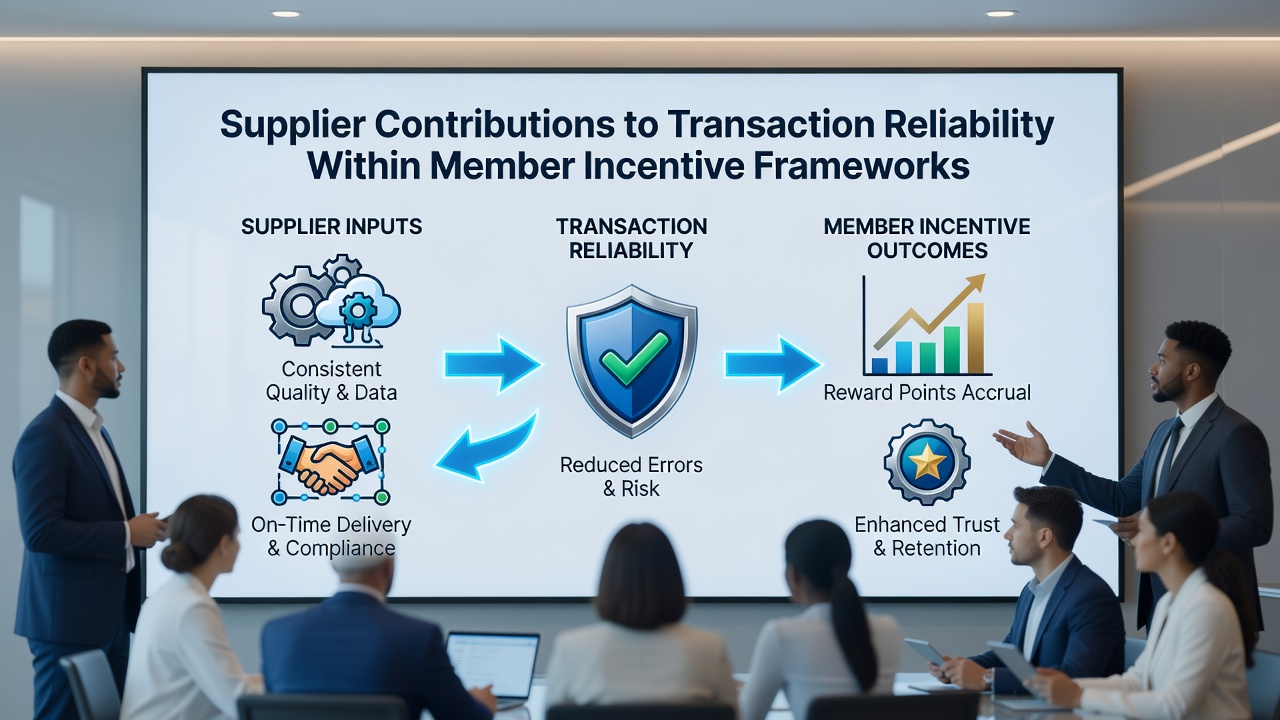
Payment processors and software vendors deliver APIs that connect loyalty databases directly to financial rails, which reduces latency between a player's completed action and the delivery of incentive credits. Researchers at academic institutions tracking gaming operations have documented how standardized protocols from these suppliers allow platforms to verify each transaction step without introducing additional delays, and this consistency supports the timing requirements built into tiered reward structures.
Encryption modules supplied by specialized firms protect data integrity during incentive calculations, and these modules undergo regular audits that confirm compliance with regional standards. Data from regulatory filings in Nevada and Singapore indicate that platforms using certified supplier solutions experienced fewer reconciliation errors in reward distributions during the first half of 2026.
Integration with Loyalty Mechanisms
Member incentive frameworks rely on real-time data feeds that suppliers maintain between game servers and backend accounting systems, so when a player qualifies for a bonus or cashback award the credit posts without manual intervention. Observers at trade associations have tracked how these automated flows lower the incidence of disputes, while also allowing operators to scale programs across thousands of concurrent accounts.
Suppliers often embed monitoring tools that flag anomalies in transaction patterns before they affect reward eligibility, and platform operators then receive alerts that enable quick resolution. One study released by a Canadian research consortium in early 2026 examined 12 operators and found that those relying on integrated supplier dashboards recorded 23 percent fewer reward adjustment requests compared with systems using fragmented vendor connections.
Regional Regulatory Alignment
Suppliers adapt their transaction engines to meet varying requirements across markets, and this flexibility helps operators maintain incentive programs that comply with local rules without rebuilding core systems. Figures released by the Nevada Gaming Control Board show that platforms incorporating supplier-certified audit trails achieved faster approval cycles for new loyalty features during the spring of 2026.
Australian regulatory reports similarly highlight how supplier-provided reporting modules streamline the submission of transaction data tied to player rewards, and this reduces administrative overhead for both operators and oversight bodies. Those who've examined cross-border operations note that standardized supplier interfaces simplify the task of aligning different jurisdictional demands into a single operational workflow.
Performance Metrics and Reliability Benchmarks
Transaction success rates serve as a primary benchmark, and suppliers publish uptime statistics that operators reference when evaluating incentive framework stability. Industry reports compiled by the American Gaming Association detail how platforms using redundant supplier architectures maintained 99.8 percent availability for reward processing during peak periods in June 2026.
Latency measurements also matter because delayed credits can erode player trust in incentive structures, so suppliers optimize routing algorithms that prioritize high-value member accounts while preserving overall system balance. Evidence from platform telemetry indicates that these optimizations produce measurable improvements in reward claim completion times without compromising security layers.
Future Developments in Supplier Ecosystems
Suppliers continue to refine modular components that operators can plug into existing incentive frameworks, and this approach allows incremental upgrades rather than full system replacements. Research papers presented at European gaming conferences in 2026 explored how machine-learning models supplied by vendors could predict transaction bottlenecks before they affect reward delivery.
Collaboration between suppliers and operators has produced shared testing environments where new reliability features undergo validation against real incentive scenarios, and results from these tests feed back into product roadmaps. Data compiled across multiple markets shows that such collaborative cycles shorten the time between identifying a reliability gap and deploying a supplier solution.
Conclusion
Supplier contributions shape the operational backbone that keeps transactions reliable inside member incentive frameworks, and the documented improvements in processing consistency reflect ongoing refinements in technology and regulatory alignment. As platforms expand their loyalty offerings, the role of these vendors in maintaining secure, timely reward flows remains central to program performance across regions.