Tracing Links Between Funding Channels and Real-Time Table Interactions in Smartphone Betting Systems
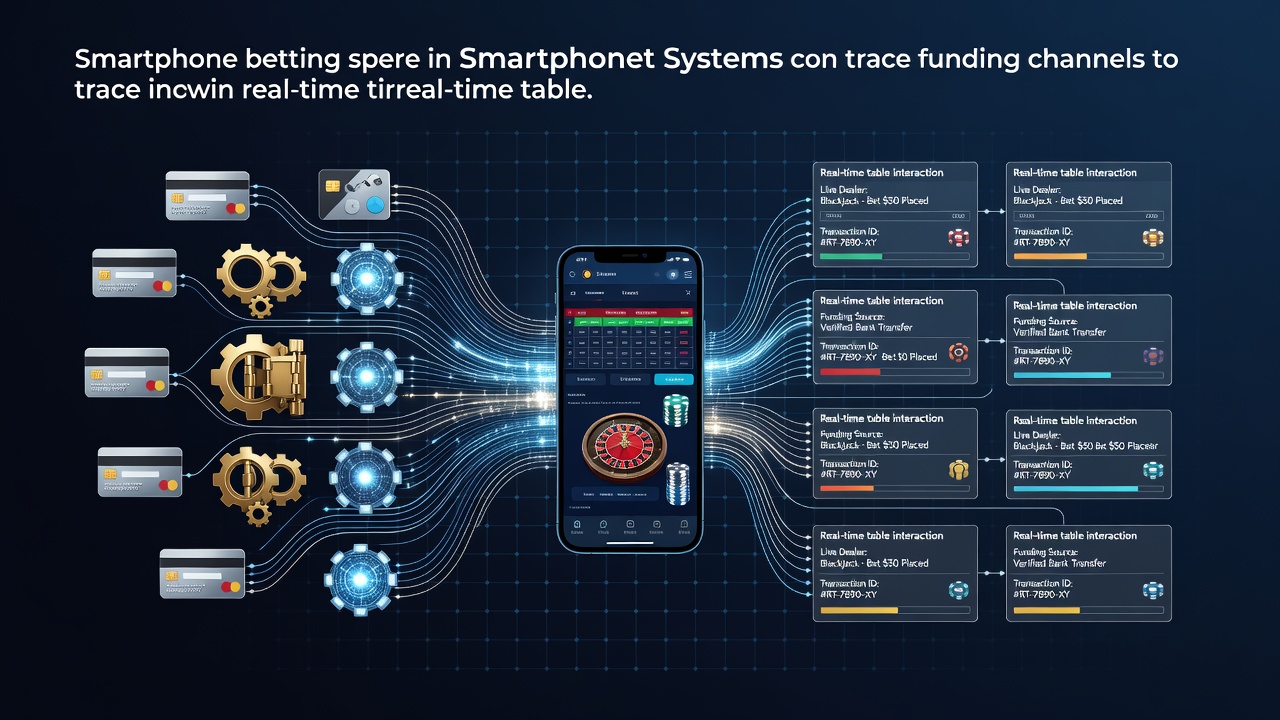
Smartphone betting systems connect payment processing directly to live dealer tables through integrated software layers that handle deposits and withdrawals while gameplay unfolds, and observers note these connections influence everything from bet placement timing to session continuity across mobile networks.
Data from industry monitoring groups shows funding channels such as digital wallets and bank transfers feed into backend ledgers that update player balances in milliseconds, allowing real-time table interactions to proceed without interruption when transaction confirmations arrive promptly, whereas delays in authorization queues can pause betting windows during high-stakes rounds.
Payment Integration Mechanisms in Mobile Environments
Developers design application programming interfaces that link financial gateways to gaming servers so deposits processed through credit cards or cryptocurrency exchanges appear as available credits within the same interface used for placing wagers at virtual blackjack or roulette tables, and this setup reduces the steps between funding and participation.
Research conducted by academic institutions tracking mobile transaction flows indicates encryption layers secure these pathways yet add minimal overhead when optimized for 5G connections, enabling players to top up balances mid-hand while the dealer continues card distribution or wheel spins without visible lag.
Real-Time Dynamics at Digital Tables
Live dealer platforms stream video feeds alongside synchronized betting timers that accept inputs only when account balances reflect completed transfers, creating a direct dependency where funding status determines whether a player can raise stakes or switch games during active rounds, and system logs from operator reports reveal patterns in how micro-transactions align with decision points.
Regulatory filings from bodies like the New Jersey Division of Gaming Enforcement document uptime metrics for these synchronized systems, showing that stable funding channels correlate with fewer session drops during peak evening hours when table traffic increases across smartphone users.
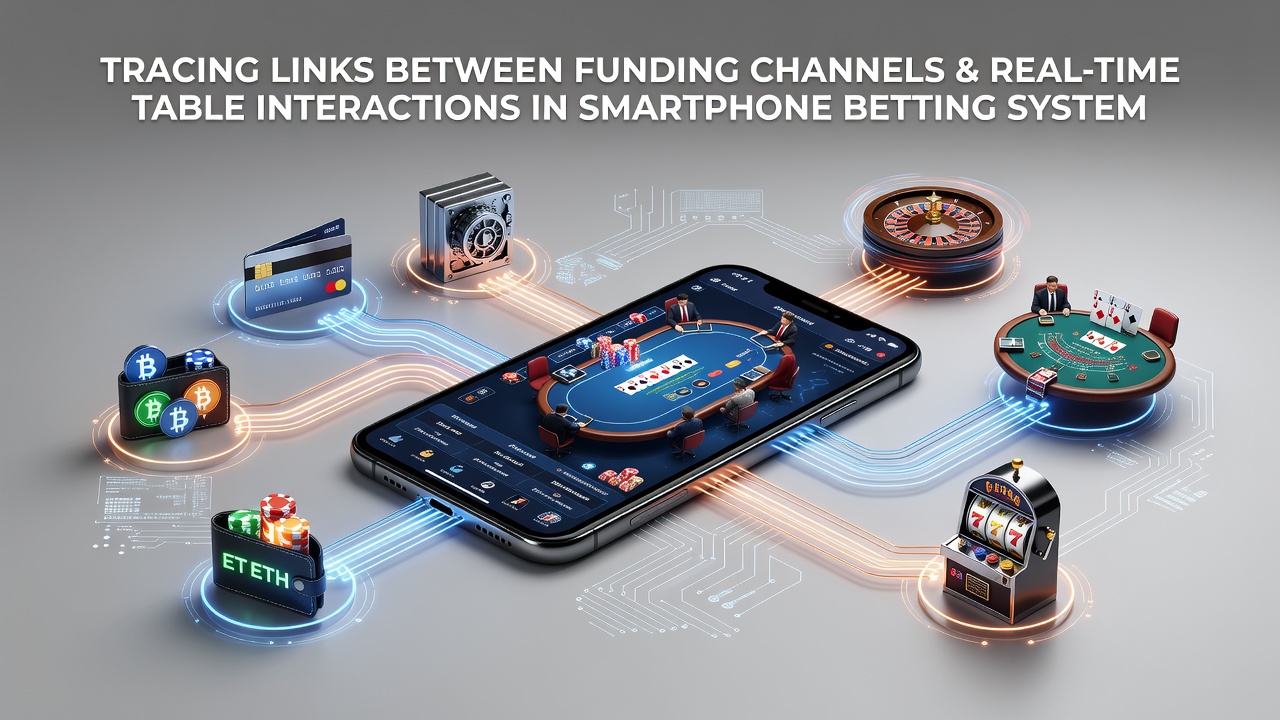
Tracing Transaction Influences on Gameplay Flow
Analysts examining server-side data find that instant funding methods like e-wallets produce shorter intervals between balance updates and bet confirmations compared to traditional card processors that require additional verification steps, which in turn affects how frequently participants engage with side bets or insurance options at live tables.
Figures released in June 2026 by European gaming trade associations highlight regional variations where faster local payment rails support continuous table interactions for smartphone users, while cross-border transfers introduce variable latency that operators mitigate through pre-authorization buffers.
Case examples from platform audits demonstrate scenarios in which a delayed deposit during a poker hand forces automatic fold mechanics, preserving game integrity yet altering individual outcomes based solely on funding channel performance rather than player strategy.
Security Protocols and Their Role in Sustaining Interactions
Encryption standards applied to funding channels extend protection to real-time data streams, preventing interception of both financial details and betting decisions as they travel between mobile devices and central servers, according to technical specifications shared by software providers in compliance documents.
Monitoring tools employed by operators track these dual-purpose security measures to ensure that authentication tokens remain valid throughout extended sessions, allowing seamless transitions from deposit confirmations to subsequent rounds without requiring repeated logins that could disrupt table rhythm.
Industry reports compiled by research firms specializing in digital entertainment note correlations between robust protocol implementations and sustained player retention rates at mobile live tables, particularly when funding occurs repeatedly within single sessions.
Conclusion
Connections between funding channels and real-time table interactions rest on tightly coupled software and network elements that process payments alongside gameplay commands, with available datasets illustrating measurable impacts on timing, security, and continuity across smartphone betting environments as operators refine these linkages through ongoing technical adjustments.